


- Home
- >
- En
- >
- See and do
- >
- Alexander Roslin: Portraitist of the Aristocracy
Alexander Roslin
Portraitist of the Aristocracy
As a traveling portrait painter in the second half of the 18th century, he journeyed between European royal courts to portray kings, nobles, and other members of the aristocracy in their most splendid attire.
Wealth and Decadence
Roslin immortalized the ruling class at the height of its wealth and power. He was the chronicler of the decadence of the late 18th century. Yet, in hindsight, this wealth and decadence also marked the last convulsions of a class soon to lose its power and prestige. These were turbulent times: political and social unrest prevailed, culminating in the French Revolution of 1789. Many of the monarchs and nobles Roslin had painted lost their positions and status during the Revolution. Some even literally lost their heads to the guillotine or met violent ends in other ways. That Roslin himself—representing the much-hated class of the Ancien Régime—survived the Revolution is likely due to the fact that he was not of French origin.
The World of the Portrait Subjects
This first Roslin exhibition in the Netherlands offers the Dutch public a unique opportunity not only to explore Roslin’s magnificent body of work but also to step into the world of his portrait subjects. Their fascinating, sometimes dramatic and intriguing, richly historical and personal stories — including political and moral intrigues — form the guiding thread throughout the exhibition. The subjects, their luxurious lifestyles, and the momentous events unfolding around them are brought vividly to life through objects from their surroundings: costumes, furniture, and porcelain, as well as letters and prints. Together, these elements create a captivating portrait of a class and way of life that reached its climax during Roslin’s time — just before the Revolution brought about its downfall. Visitors come face to face with both the artist and his clientele in an intimate way.
Unique in the Netherlands
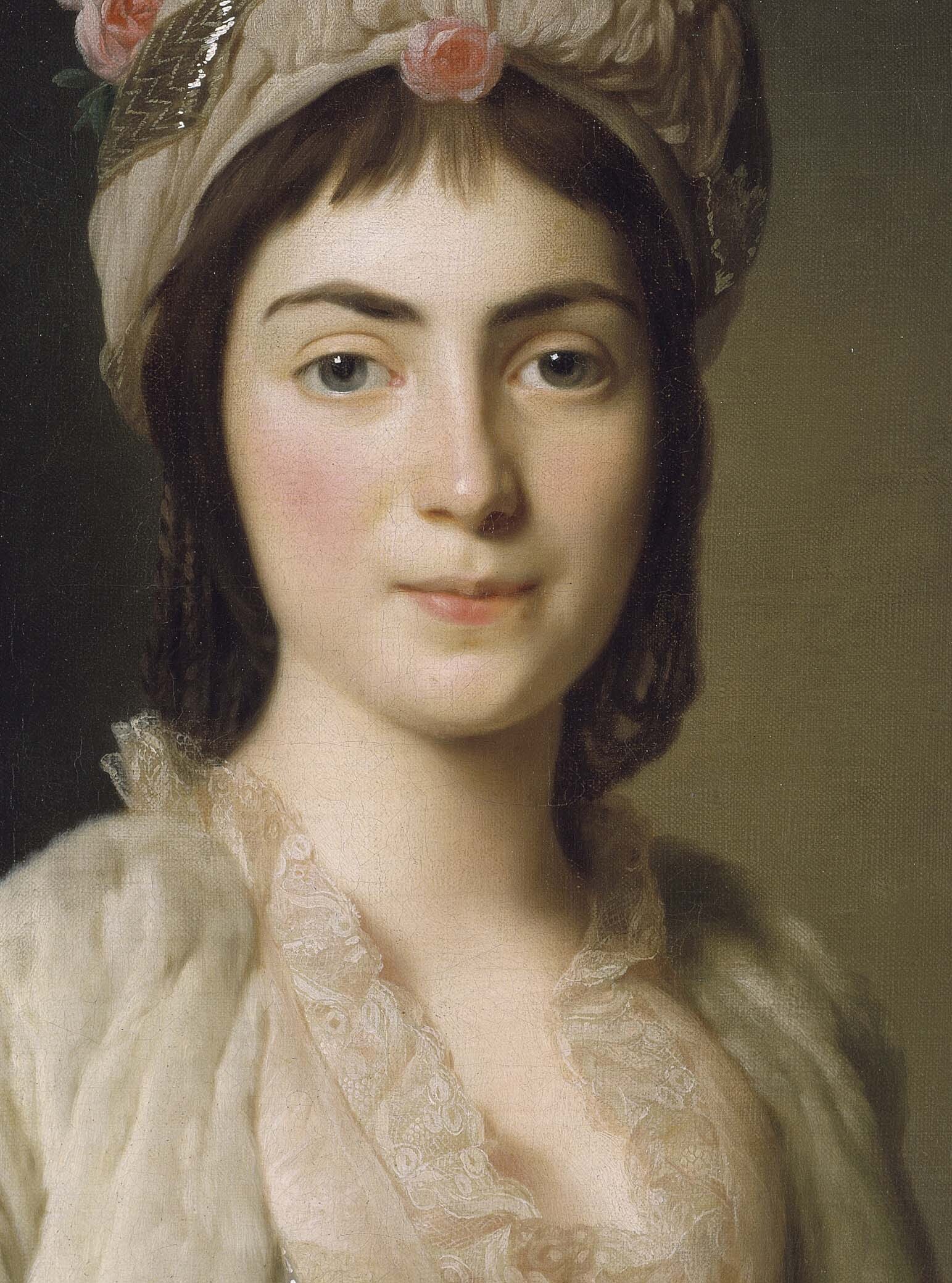
Rijksmuseum Twenthe is the only museum in the Netherlands to own two portraits by Roslin. The finely painted and graceful portraits of the French couple Marie Romain Hamelin and Marie Jeanne Puissant represent a type that is equally unique within Dutch museum collections.
International Loans
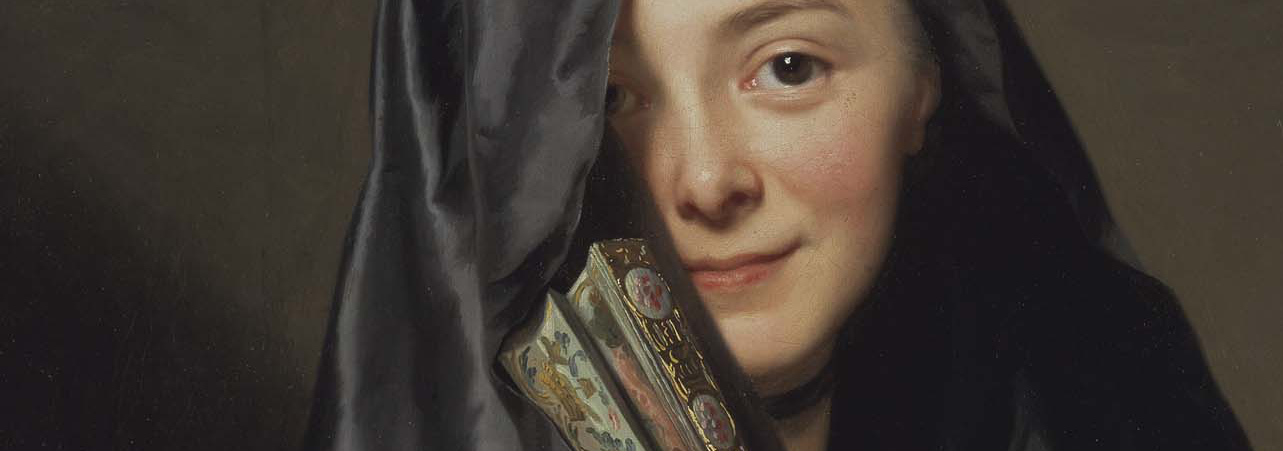
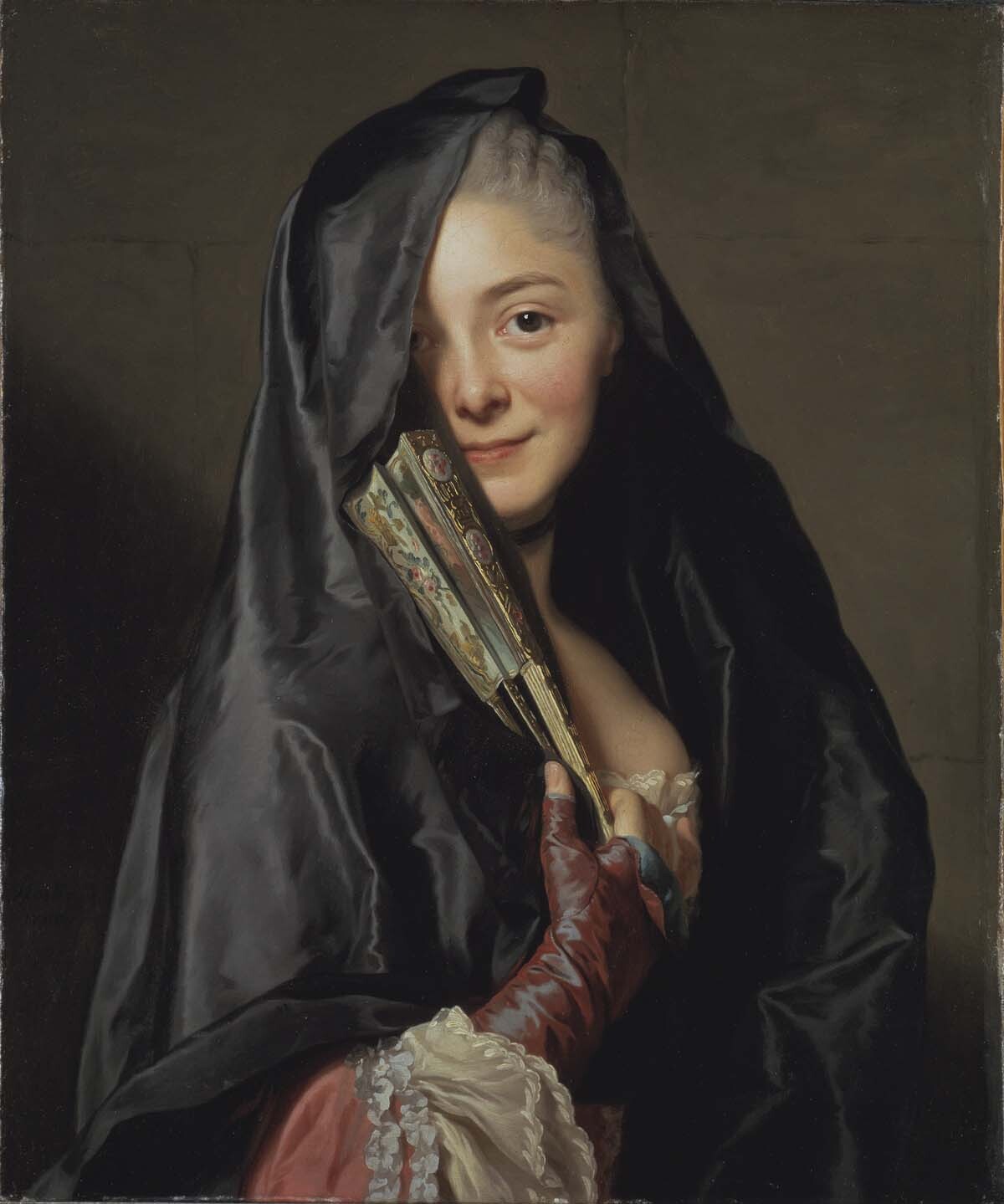
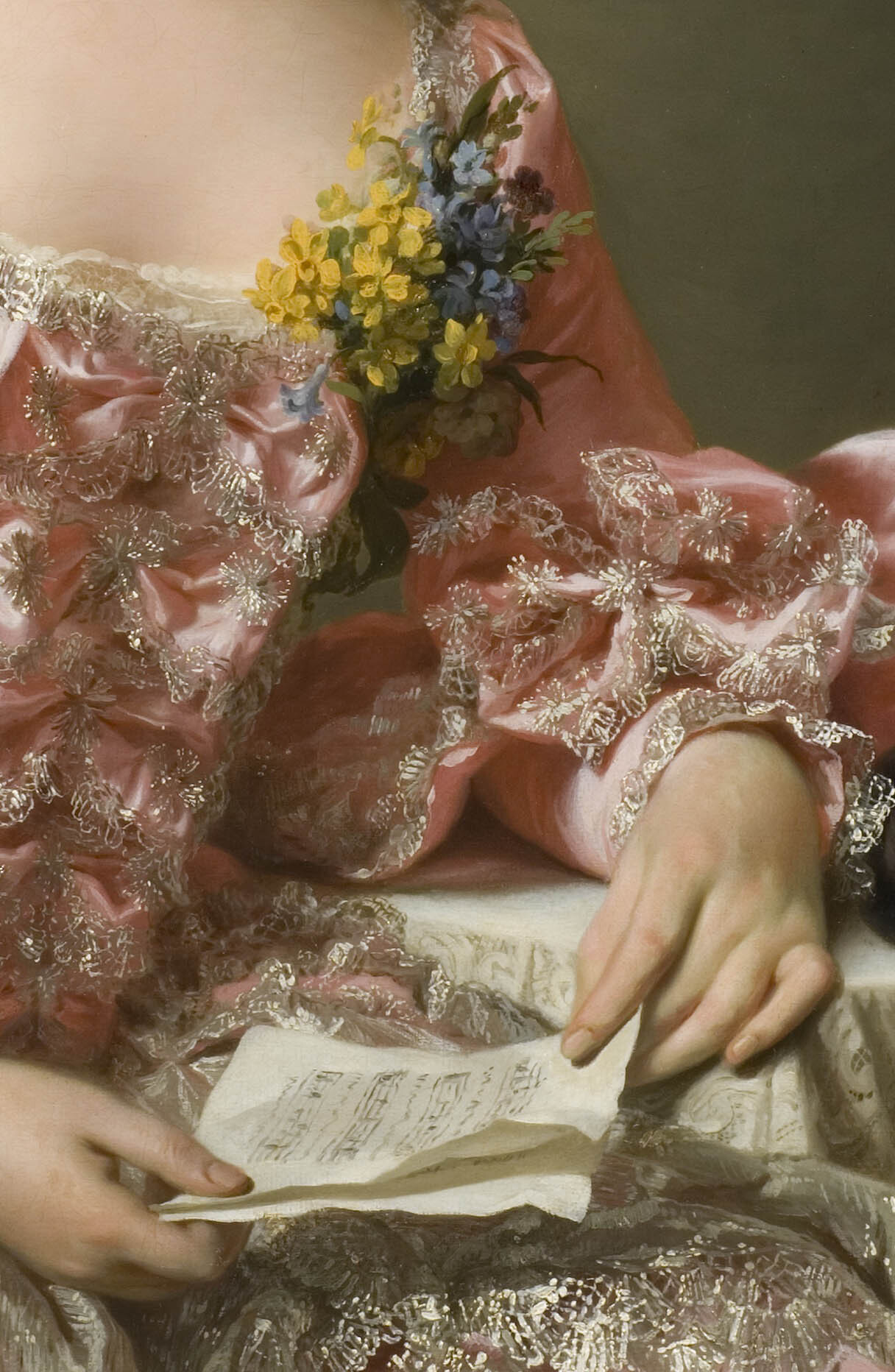
For this exhibition, Rijksmuseum Twenthe is privileged to borrow no fewer than thirteen masterpieces from the Roslin collection of the Nationalmuseum in Stockholm. These include Portrait of Gustav III and The Lady with the Veil, which was described by the renowned French critic Denis Diderot as “très piquante.”
Also on display from the Nationalmuseum’s collection are portraits of the Swedish royal family, such as King Gustav III of Sweden (1775) and his dominant mother, Lovisa Ulrika, Princess of Prussia and Queen of Sweden (also 1775). Prominent members of the French royal family and other associates of the House of Roy are well represented, including Louis-Philippe de Bourbon (1725–1785), Duke of Chartres and later Duke of Orléans. The aristocracy is richly present throughout, with splendid portraits such as those of the Baron and Baroness de Neubourg-Cromière (1756).
Partners
This exhibition is made possible with support from: Nationalmuseum Stockholm, RMT Friends, Prins Bernhard Cultuurfonds (Nieske Fund), Mondriaan Fund, and VSB Fund.
400 Years of Swedish–Dutch Friendship
In 1614, Sweden opened its first-ever embassy in the Netherlands, marking the beginning of a friendship that has enriched both our economies and societies to this day. In 2014, this bond was celebrated with a special program of activities. The exhibition Alexander Roslin – Portraitist of the Aristocracy is part of this international program. For more information, visit www.swe400nl.com.


