Thomas Gainsborough lived in a period of great change in English culture and society. The modern era was dawning, marked by rapid developments in the fields of economy, science, and technology. A ‘high society’ emerged that placed culture and personal emotional life at its center.
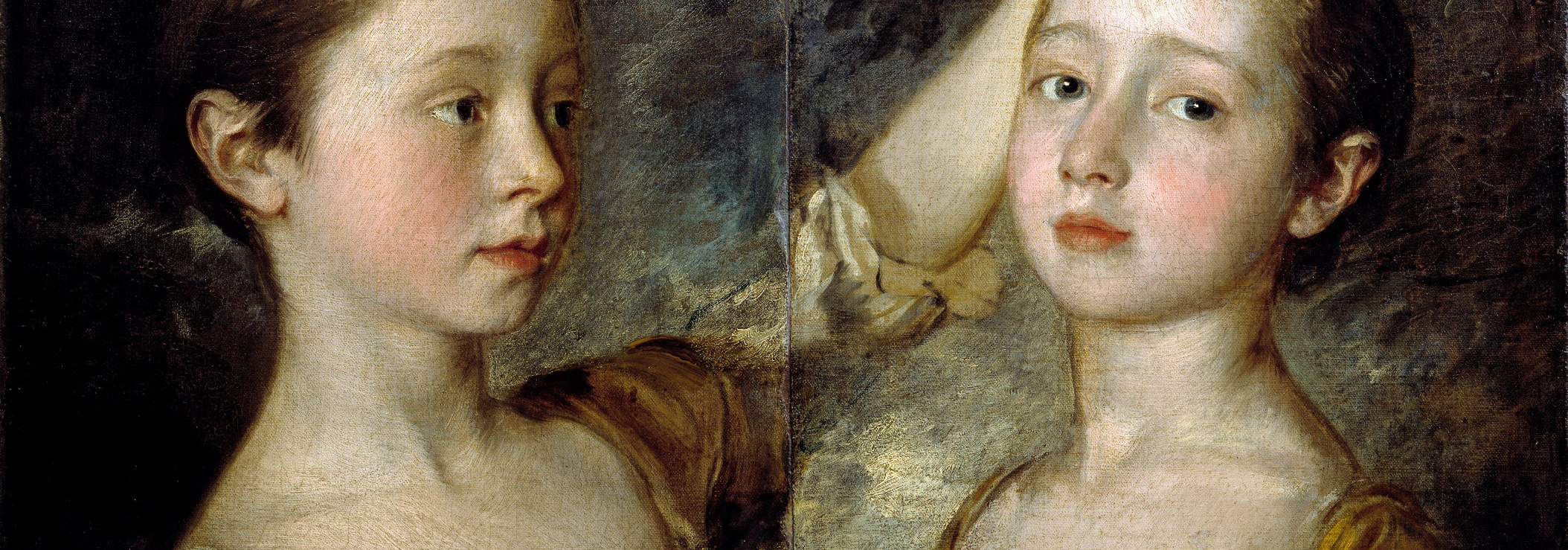
The painting that made their father so proud was later cut in two. One part went to the actor W.C. Macready, the other to John Forster, the future biographer of Charles Dickens. After being separated for a long time, the two sisters were reunited in the 19th century. The painting eventually became part of the Victoria and Albert Museum’s collection. From March 20, this portrait will be one of the highlights of the exhibition Gainsborough in His Own Words at Rijksmuseum Twenthe.
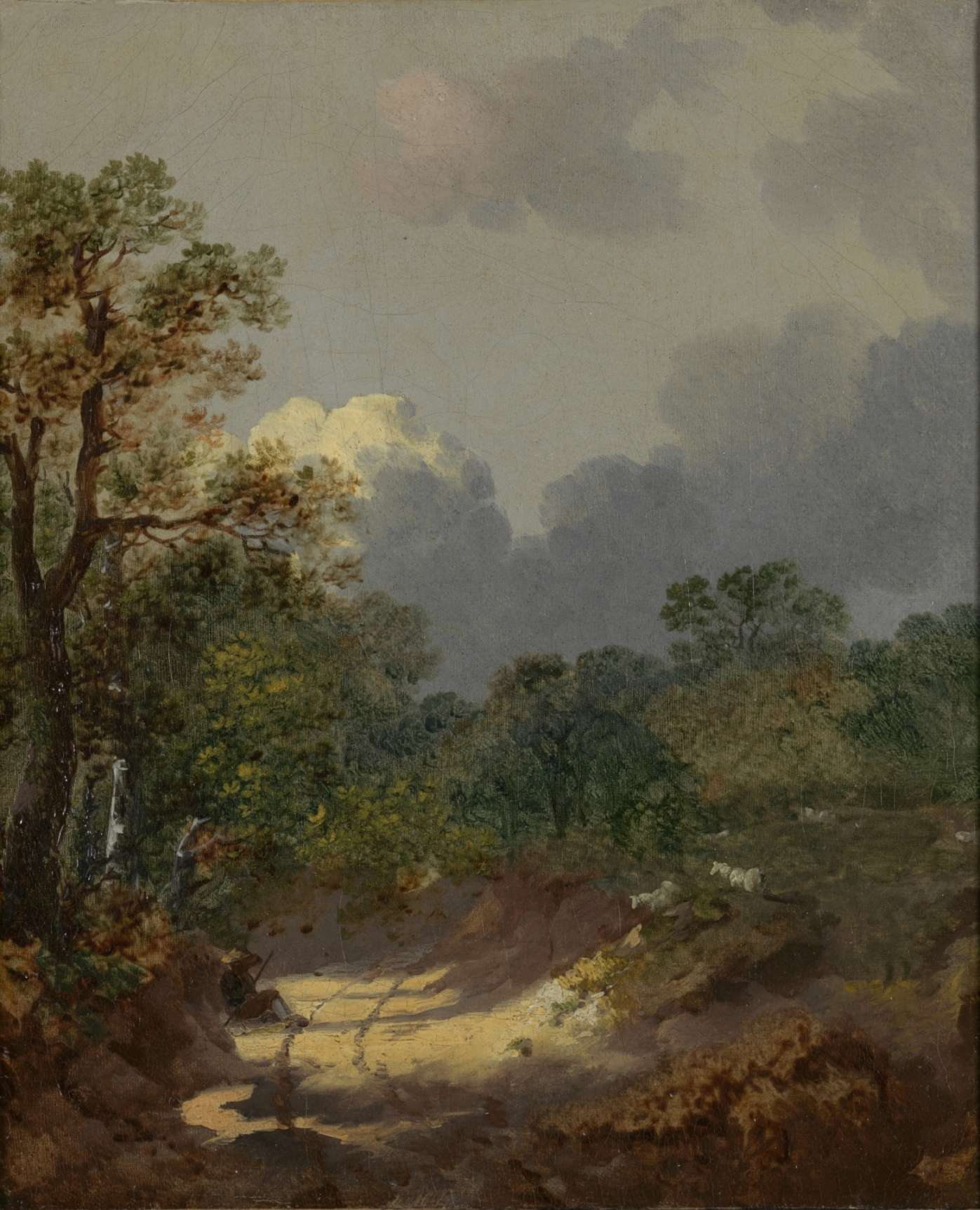
Thomas Gainsborough was a free-spirited individual, driven by passion. In his letters, he spoke frankly, criticizing the “cursed face business” of portrait painting, where he had to present “rich fools” at their best. He much preferred to enjoy life, paint landscapes, and make music. The result is a free, loose, and affectionate painting style in both portraits and landscapes. The Painter’s Two Daughters is full of affection. This sensitivity, called “sensibility” by the English, was something Gainsborough fully embraced. In his portraits, he revealed the character of his subjects. “Sensibility” also appears in the subtle and warm treatment of nature in his beautiful landscapes. He worked freely with paint, color, and brush. Gainsborough was a man of the modern age: a modern genius. He dared to be openly sensitive, to fantasize, and to be intimate. In doing so, Gainsborough freed his art from artistic conventions and laid the foundation for a new English painting. Constable and Turner would be unthinkable without Gainsborough.


At Rijksmuseum Twenthe, Thomas Gainsborough receives the recognition he deserves. His subtle portraits of friends like David Garrick (National Portrait Gallery) and Joshua Kirby (Victoria and Albert Museum), as well as patrons such as the Duke and Duchess of Montagu (Duke of Buccleuch), hang alongside grand full-length portraits of Johann Christian Fischer (Royal Collection) and Sir Edward Turner (Wolverhampton Arts Gallery). Majestic landscapes like Wooded Landscape (National Trust) and Landscape with Figures (Manchester City Galleries) showcase his profound love for nature. Finally, the powerful Abel Moysey (Gainsborough’s House), the tender Cottage Door with Girl and Pigs (Colchester and Ipswich Museum Service), and the stunning portrait of his wife (Gemäldegalerie Berlin) radiate intimacy, passion, and “sensibility.”
18th-century England is brought to life through objects such as a steam pump, an electrical machine, and globes (Museum Boerhaave), as well as exquisite books (KB), costumes, and musical instruments (Gemeentemuseum Den Haag). In Enschede, the world of Thomas Gainsborough will be on display. This is the world of a modern genius; the world of one of England’s greatest artists
In addition to works from Rijksmuseum Twenthe and Gainsborough House, pieces from other international collections are on display. Although Gainsborough called his landscapes “little Dutch Landskips,” he never set foot on Dutch soil himself. It is therefore time for Gainsborough to come to the Netherlands—and for the Netherlands to get acquainted with this remarkable personality who made himself immortal through both words and paintings.