


In Me, the Other & the Earth, you’ll discover how the stories we tell one another shape our view of the world. Artist Jonas Staal, for instance, explores the power of propaganda by analysing films made by Steve Bannon, former strategist to Donald Trump. Historical satirical prints show how, even in the 18th century, people mocked one another to convey political messages. Together, these works reveal how, throughout the ages, images have been used to influence how we see the world.
Stories are not only about the present; they also offer space to reflect on how the world could be. This becomes clear in the work of Constant Nieuwenhuys and cartographer Carlijn Kingma, who create utopian visions of the future. Through their designs, they show how we can use our imagination to shape a better tomorrow.
Our Relationship with Nature
A central theme of the exhibition is our relationship with nature. How does nature influence who we are? Can we truly find ourselves in nature, as people believed in the eighteenth century? A video work by contemporary artist melanie bonajo reveals how the healing power of nature is still very much felt today.
At the same time, the exhibition explores how humans have increasingly tried to control and reshape nature over the centuries. Several works critically examine modern agriculture. Gerard Ortín Castellví, for example, highlights how production processes are being optimised to ever greater degrees—yet remain fragile and highly susceptible to external disruption.
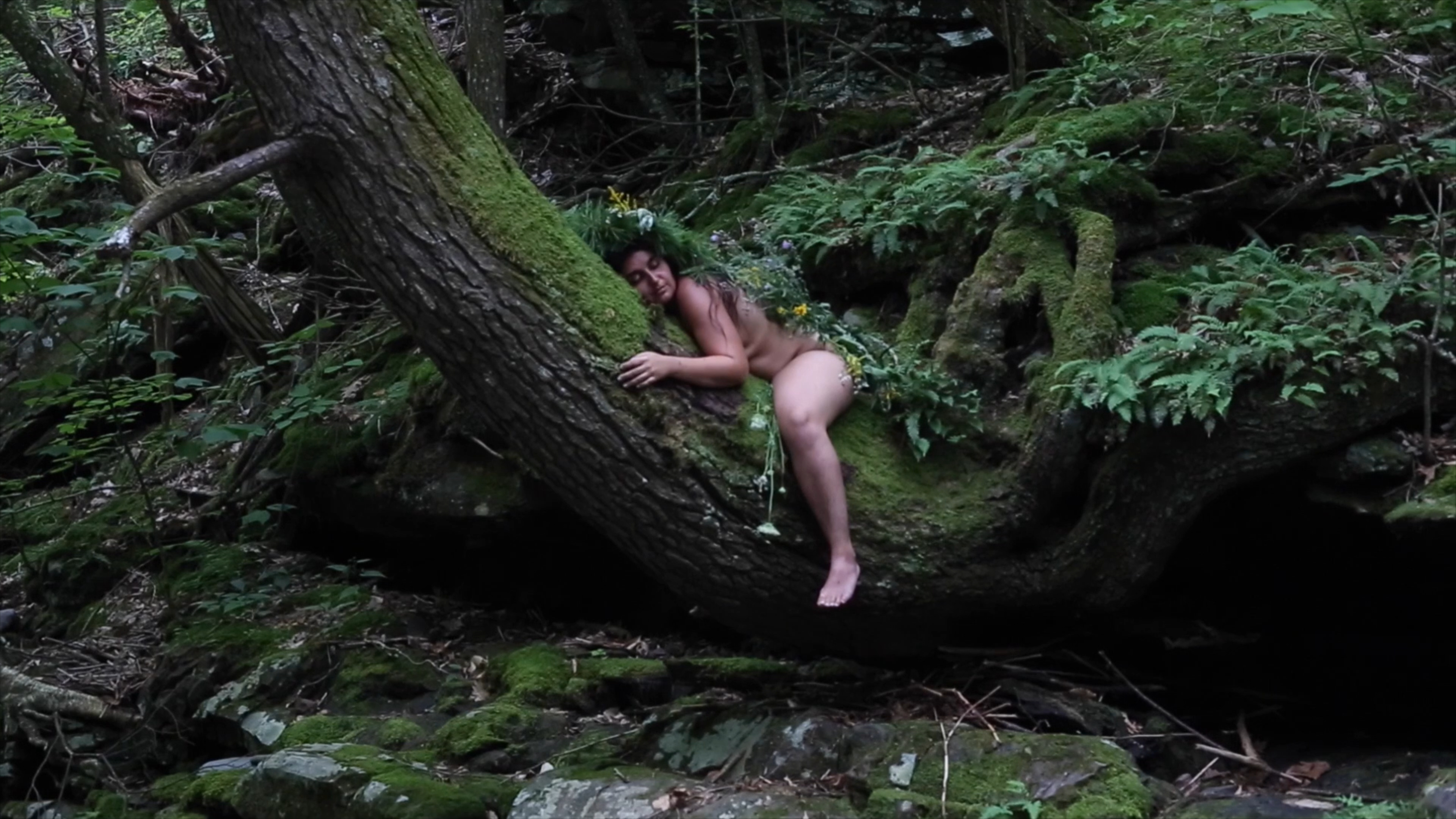


One of the central themes of the exhibition is our relationship with nature. How does nature shape who we are? Can we only truly find ourselves in nature, as people believed in the 18th century?
Male Gaze vs. Female Gaze
Our relationship with the other is largely shaped by how we see them. This is clearly explored in a gallery dedicated to the 'male gaze' versus the 'female gaze.' For centuries, women were depicted by heterosexual male artists as seductive and passive figures. In contrast, works by non-male artists portray the (female) body in a softer, more sensual way.
New Worlds
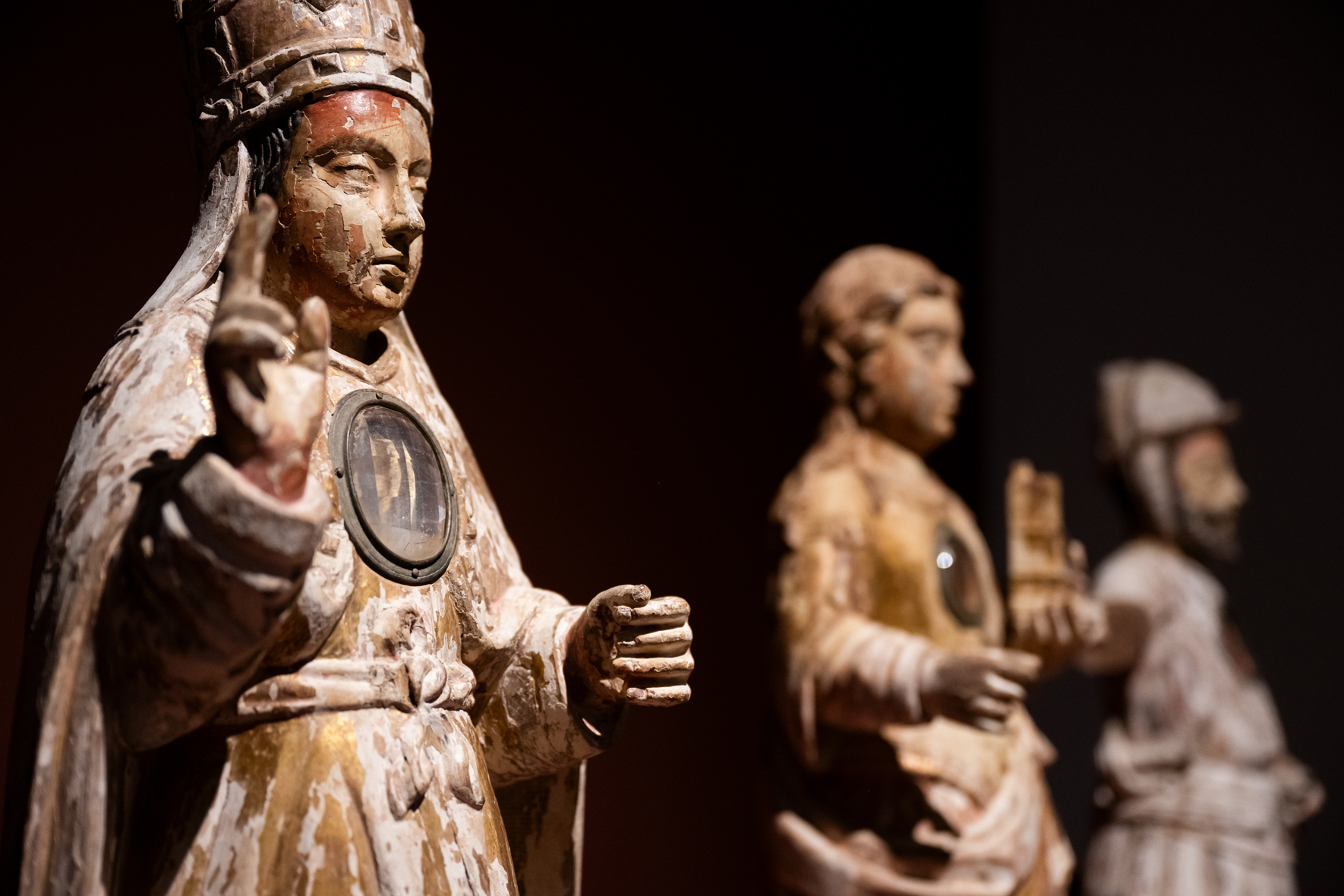
Our way of seeing the other is also reflected in the cultural encounters of the 17th century. European powers traveled to new worlds to acquire trade goods, while simultaneously imposing Christianity and European culture on the indigenous populations. The exhibition shows how indigenous cultures adopted European elements in their visual language through reliquaries from Indian Goa, and how Dutch artists, in turn, incorporated elements from these new worlds into their still lifes.


