One artist who flawlessly shows how this way of thinking shapes our view of the world is contemporary artist Melanie Bonajo (born 1978). That is why RMT is presenting her film Nocturnal Gardening and a selection from the photo series Thank you for hurting me. I really needed that as part of the Tischbein exhibition.
Nocturnal Gardening
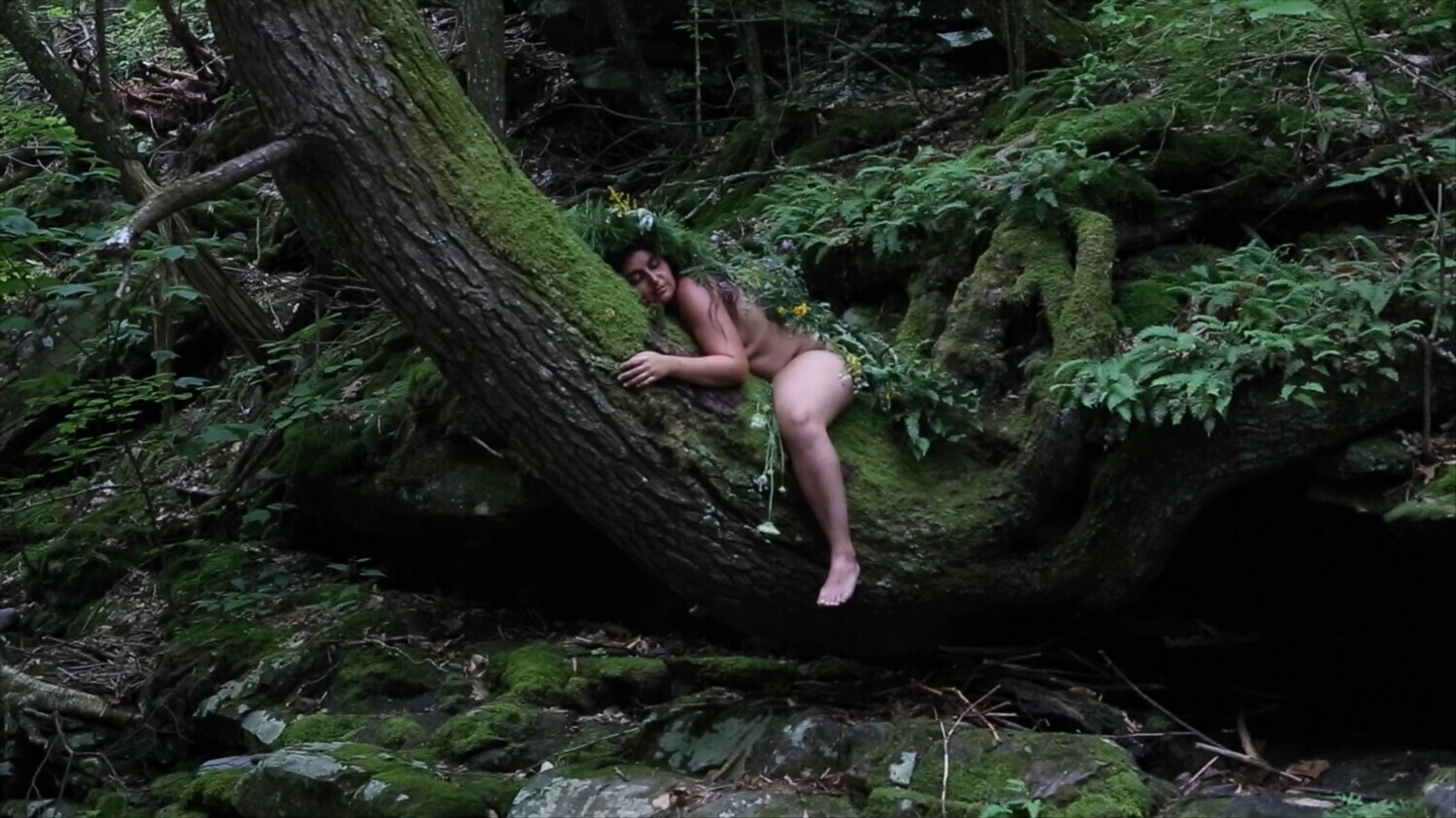
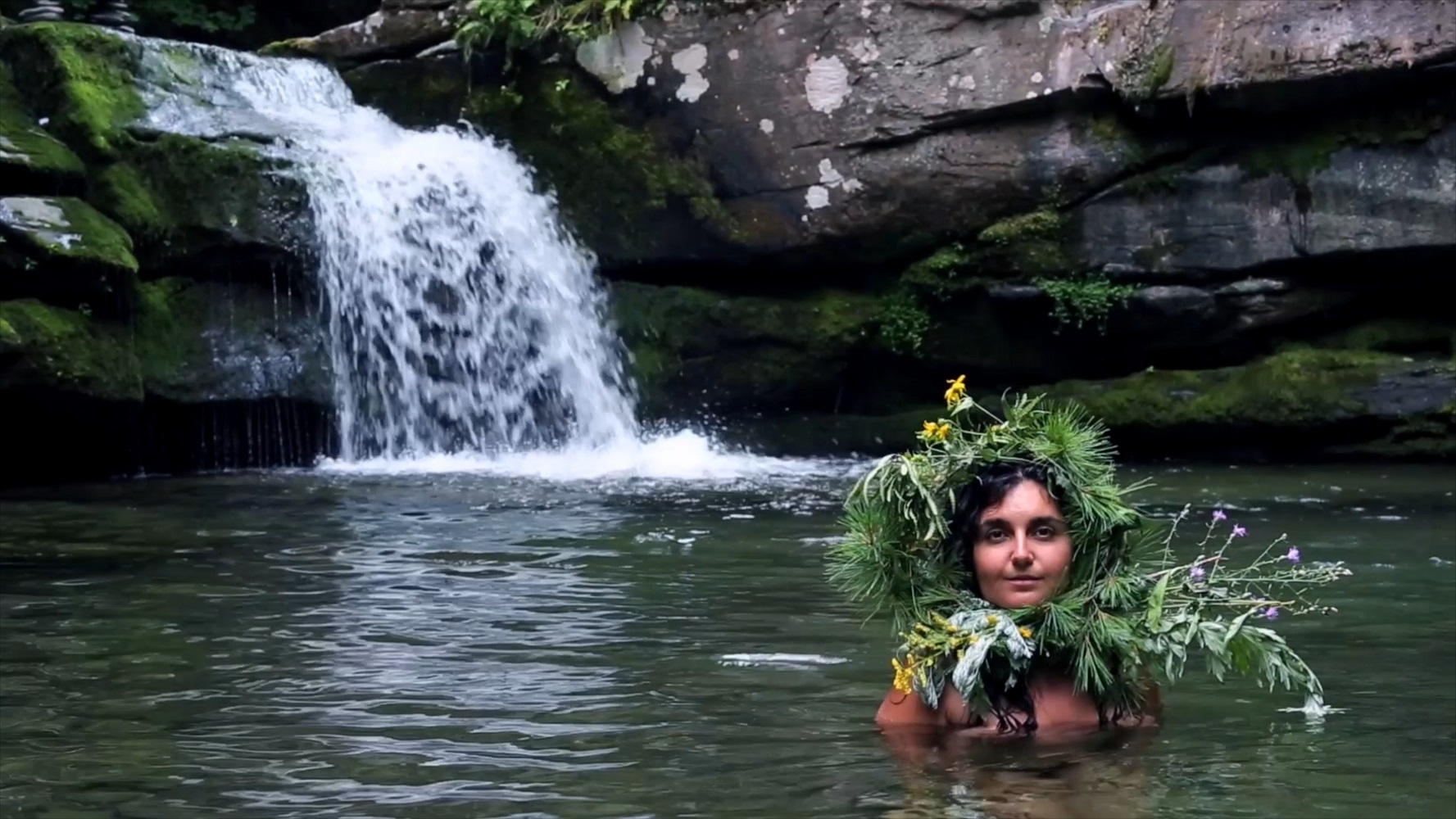
According to the 18th-century philosopher Jean-Jacques Rousseau, nature represented what is true and good. He contrasted nature with culture, arguing that culture and progress had corrupted the natural goodness of humans. Melanie Bonajo demonstrates how deeply this romantic idea is embedded in the way we currently view the world. In her experimental documentary Nocturnal Gardening, she follows several women who each, in their own way, establish a new relationship with nature.
All the women in the film are driven by the alienation that contemporary capitalist society evokes in them. Nature, on the other hand, is a place where they find themselves and experience a sense of wholeness. Through new rituals, they seek a relationship with nature that is not only instrumental but also deeply spiritual.
Nocturnal Gardening is the third part of the video triptych Night Soil, in which Bonajo reveals the profound disconnect experienced with nature in the Western world.
Thank you for hurting me. I really needed that
Tischbein aimed in his paintings to portray his subjects as realistically and naturally as possible, paying close attention to their sensitive emotions. But despite this pursuit of authenticity, the result was always elegant, and the ‘natural’ poses and postures were largely staged. This is what philosopher Maarten Doorman calls the paradox of authenticity: as soon as you strive for authenticity, inauthenticity is already present.
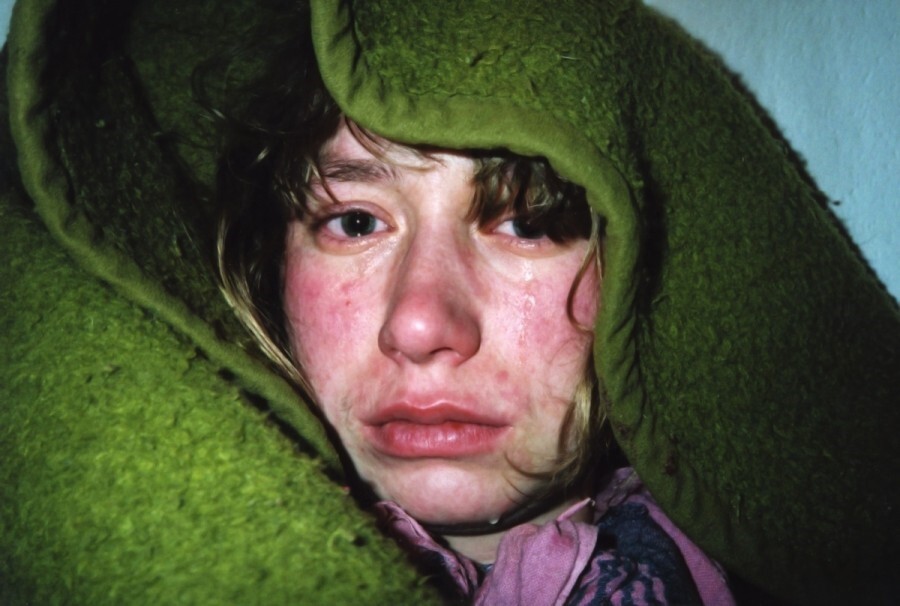
Melanie Bonajo is also interested in feelings in her work, particularly in how we deal with them. For the photo series Thank you for hurting me. I really needed that, she has been photographing herself since 2005 at moments when she feels sad or hurt. She is ruthless with herself. No elegant tears or restrained sorrow, but swollen eyes and cracked lips. Unpleasant feelings are something natural, Bonajo seems to say. Yet the unvarnished grief of another is also confronting. Her work raises the question of how much authenticity and truth we can handle.