


- Home
- >
- En
- >
- See and do
- >
- Paula Modersohn-Becker
Paula Modersohn-Becker
Between Worpswede and Paris
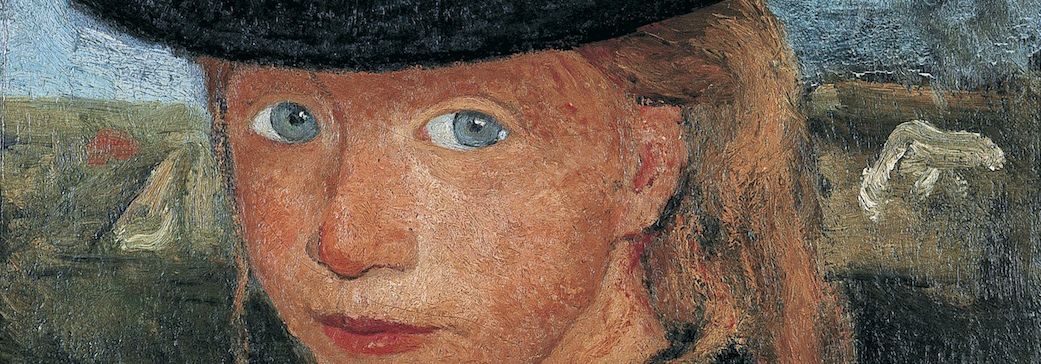
Together with the Von der Heydt Museum in Wuppertal, RMT organised an exhibition on Paula Modersohn-Becker (1876–1907) and the international influences on her work. The exhibition was on view in Enschede from 8 April to 12 August 2018, and subsequently in Wuppertal from 9 September 2018 to 6 January 2019.
Worpswede
In 1898, the young and ambitious artist Paula Becker moved to the artists’ colony of Worpswede. In the final years of the 19th century, several artists had settled there, seeking to escape the bustle of the big city and devote themselves to the simple, quiet life of the countryside and the moorland landscapes in and around Worpswede.
In Worpswede, Paula became part of the ‘family’ — a close-knit circle of artists who often gathered at the home of Heinrich Vogeler. She took lessons from Fritz Mackensen, and in 1901 she married Otto Modersohn. But Paula’s views on art differed greatly from those of the other artists in the village. For her, composition — form, colour, and space — in relation to personal experience was of the utmost importance. In order to immerse herself in the most current developments in art and to further grow as an artist, she decided to take a new direction.
Between Worpswede and Paris
On 31 December 1899, Paula Modersohn-Becker boards a train to Paris. On the very last day of the 19th century, she leaves behind the moorlands of northern Germany for the centre of the art world.
In Paris, she visits the Louvre and various art dealers, and takes classes at the Académie. There, she encounters the progressive work of artists such as Paul Cézanne and Auguste Rodin. It is her first stay in Paris — between 1900 and 1907, she will return to the French capital four more times for extended periods. Yet each time, she finds her way back to Worpswede.
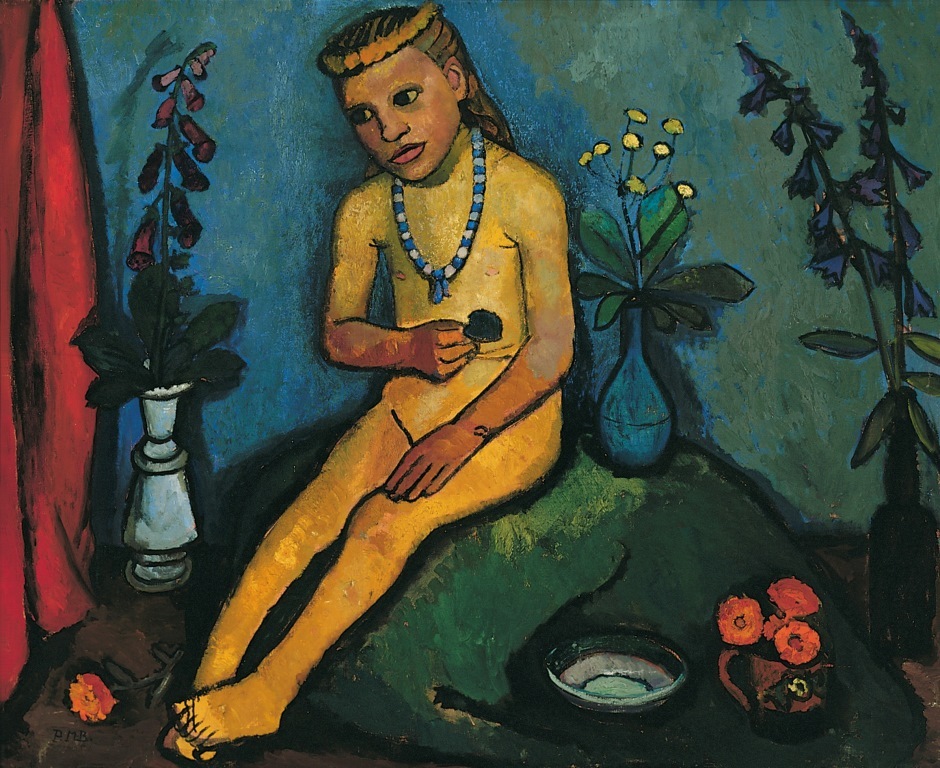
In Worpswede, Paula lives with her husband Otto Modersohn, but in Paris she is alone — entirely focused on her art. It seems as though she cannot choose. When she is in Worpswede, her thoughts drift to the vibrant life of Paris; yet after spending time in Paris, she longs for the peace and quiet of family life and the moorlands of Worpswede.
Although Paula paints prolifically, she sells only three paintings during her lifetime. Otto continues to support her financially — even when, in 1906, she wishes to separate from him and spends over a year living alone in Paris. Eventually, the couple reunites and returns to Worpswede, where their daughter is born. But then tragedy strikes: Paula dies of an embolism in childbirth, at the age of just 31.
Independent Spirit
Through her experiences in Paris, Paula found a uniquely personal way to fuse the influences of her beloved Worpswede with the avant-garde art she encountered in the French capital. In doing so, she developed into one of the most progressive German artists of her time, and a pioneer of Expressionism.
Her remarkable story is told in the exhibition Paula Modersohn-Becker: Between Worpswede and Paris, through around 50 paintings by Paula and her contemporaries from both Worpswede and Paris. A significant part of the works on view comes from the collection of the Von der Heydt Museum in Wuppertal.
Catalogue
A richly illustrated catalogue accompanies the exhibition, featuring essays by Verena Borgmann (Kunsthalle Bremen), Beate Eickhoff (Von der Heydt Museum), and Paul Knolle and Thijs de Raedt (Rijksmuseum Twenthe). The book is available in the museum shop (Waanders & de Kunst Publishers, Zwolle – €19.95).


