- Home
- >
- En
- >
- See and do
- >
- tischbein and the discovery of feeling
Tischbein
and the Discovery of Feeling
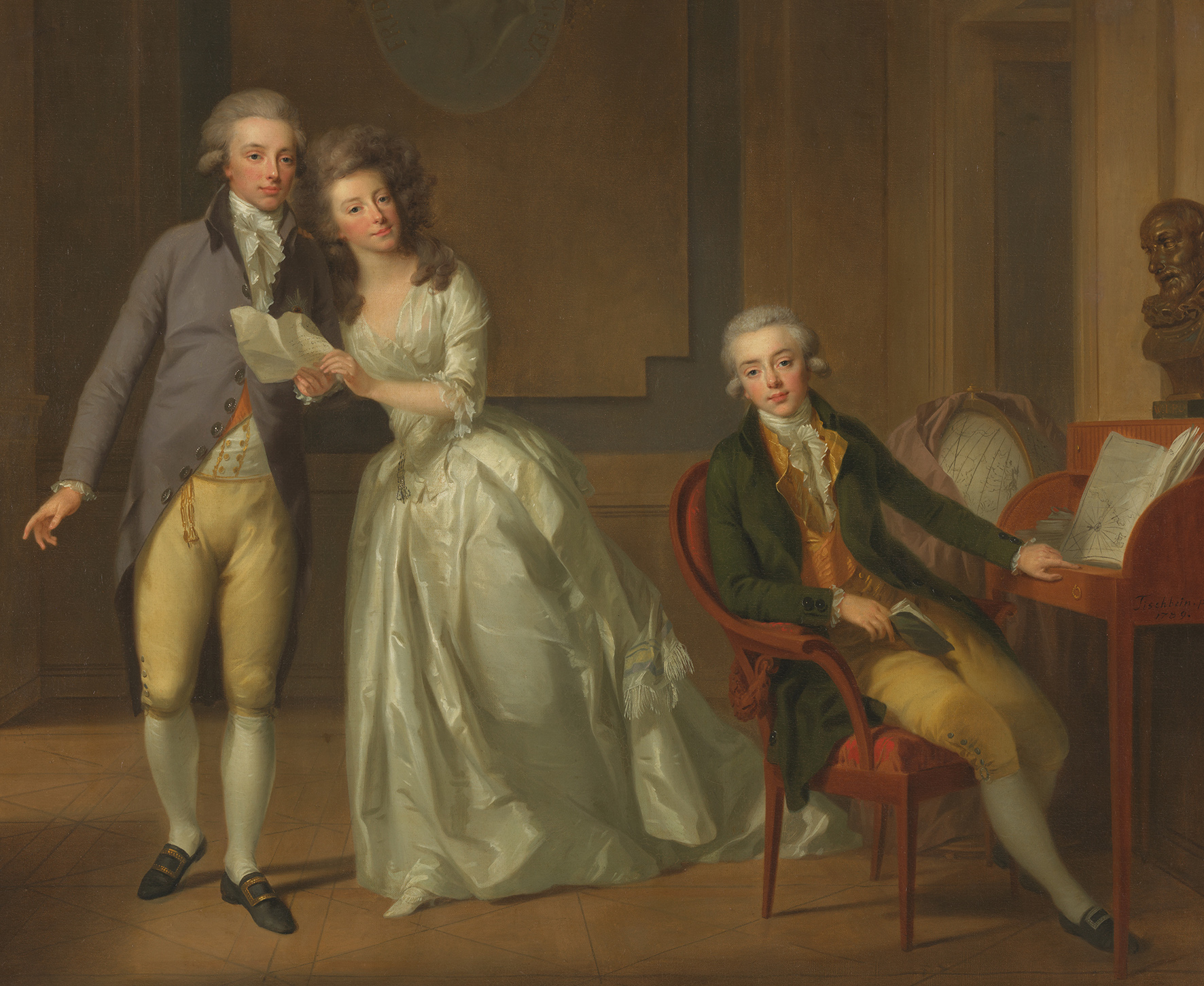
This is the first time in over thirty years that such extensive attention is being given in the Netherlands to the work of Friedrich Tischbein, who was one of the first portraitists of his generation to visually express new ideas about art, society, and the human condition. These new ideas—and the way Tischbein translated them into his work—are at the heart of the exhibition at Rijksmuseum Twenthe.
The Natural and the Sentimental
In his portraits, Tischbein visualizes ideas about emotion, simplicity, and the natural, which became popular in the second half of the 18th century thanks to Rousseau and other thinkers. The poses of his models are often relaxed, and in their clothing—he was renowned for his depiction of fabric—he frequently follows the new fashion of the “English style.” His sitters are portrayed not only indoors but also outdoors in nature.
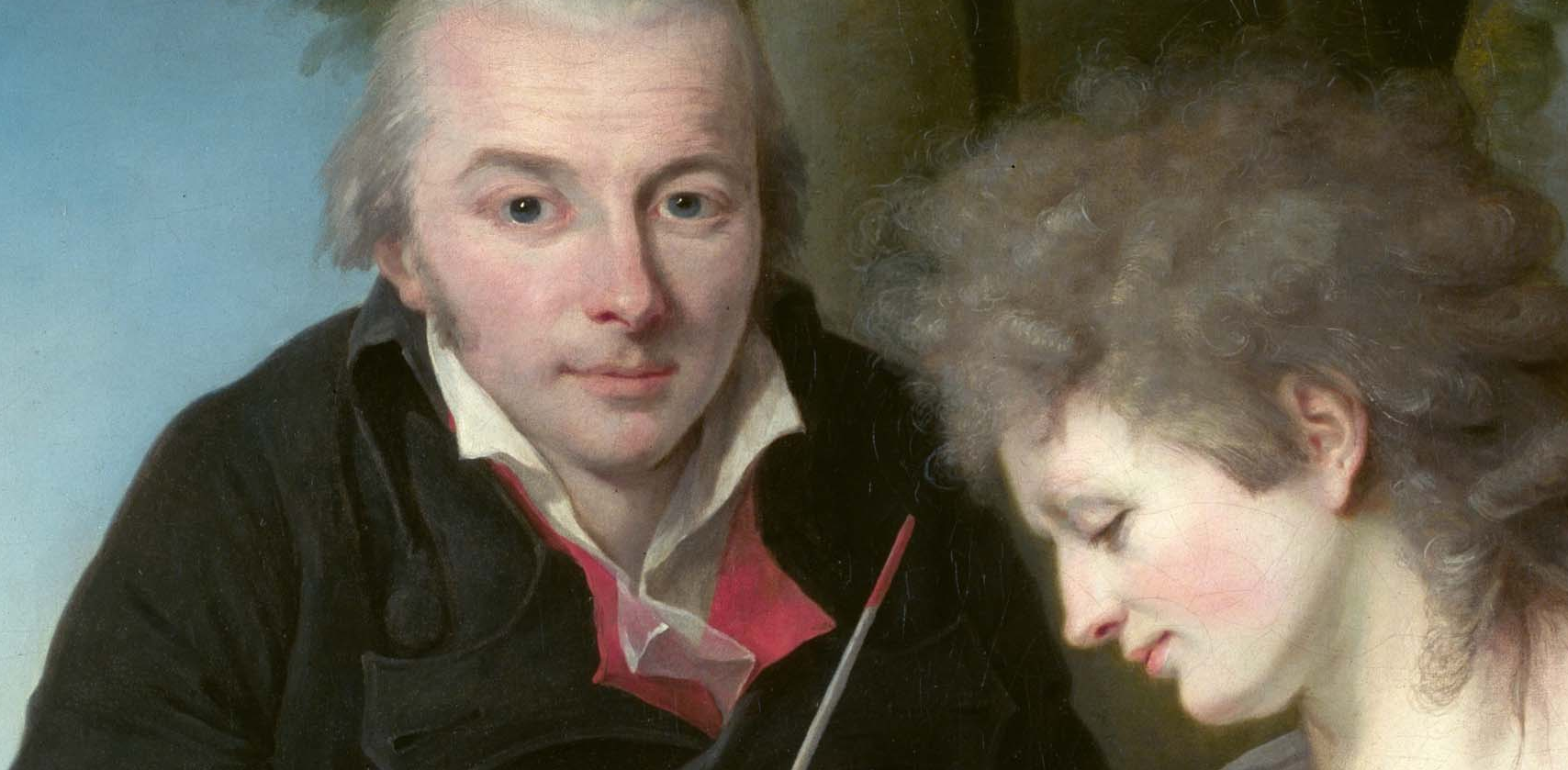
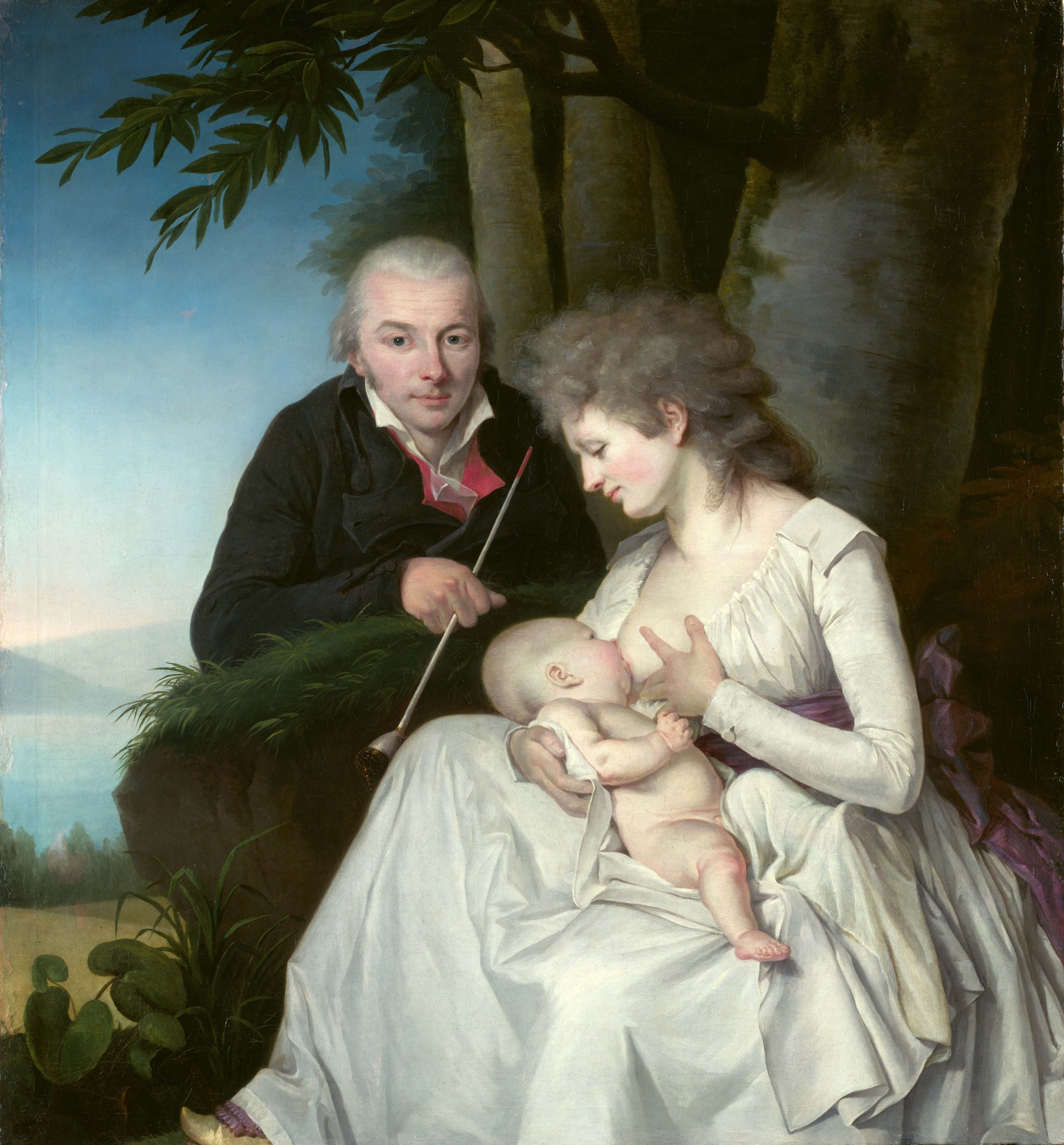
Families or households are not depicted in a stiff and formal manner but rather as if they are freely communicating with one another. Emotion plays a significant role in this. In Tischbein’s work, the affection between family members is clear—or at least suggested. A characteristic example is the family portrait from the Gemäldegalerie Alte Meister in Kassel, in which a young man and woman sit outdoors while the woman openly and tenderly breastfeeds the child. This reflected contemporary ideas about family life, emotion, and freedom. In this work, Tischbein unmistakably points forward to Romanticism.


International Collaboration
At the heart of the Tischbein exhibition are two major loans, from Paleis Het Loo and the Gemäldegalerie Alte Meister. Paleis Het Loo manages* a large number of portraits of the House of Orange-Nassau, which Tischbein painted during one of his stays in the Netherlands. He considered portraying “the Oranges” one of his most important achievements during his time in the Netherlands. Since part of Paleis Het Loo is currently closed due to renovations (the Stallenplein and the gardens are open from April 2 to September 29, 2019), Rijksmuseum Twenthe was presented with the unique opportunity to borrow no fewer than thirteen portraits. The Gemäldegalerie Alte Meister in Kassel holds the largest museum collection of works by Johann Friedrich August Tischbein and is providing not only curatorial expertise but also a significant number of paintings for this exhibition.
*The Tischbein paintings managed by Paleis Het Loo are long-term loans, primarily consisting of a long-term loan from the Royal Collections, The Hague, and a loan from the Historical Society Oranje-Nassau (GVON).